ClickCease
Skip to main content

Nationwide Service
888-573-6847

Category: Services

How Much Does It Cost to Rent Audiovisual Equipment in Orlando?

When you begin planning an event, the cost of audiovisual equipment often feels unclear. You see different quote formats, service levels, and equipment options, making it challenging to compare AV rental equipment services.

You want to understand why prices vary, what each quote includes, and how market trends influence the final number. Once you grasp these factors, you can plan accurately and choose solutions that support your event goals without unnecessary surprises.

Key takeaways

Here is a quick snapshot of the most important points to remember.

  • AV rental prices depend heavily on event type, duration, support needs, and seasonal demand.
  • Equipment categories vary widely in cost, with visual, lighting, and streaming tools often driving the highest prices.
  • Understanding what a quote includes and asking the right questions helps you avoid hidden fees and compare providers accurately.

Key Factors That Influence AV Equipment Rental Costs

Understanding what drives AV rental pricing helps you plan more accurately and avoid unexpected charges. These core factors shape how much you will ultimately pay.

  1. Event type: Your event’s technical needs determine the scale of equipment required. Small gatherings need minimal setups, while conferences or galas demand extensive audio, lighting, and visual systems.
  2. Rental duration: The length of your rental affects your rate structure. Many providers offer daily and multi day pricing, and longer rentals often qualify for discounted packages.
  3. On site technical support: If your event requires a dedicated technician, that labor will significantly influence your total cost. The more complex your setup is, the more support hours you typically need.
  4. Delivery, setup, and teardown: Logistics can add to your quote, especially if your venue has strict load in rules or limited access. Large or complex setups often require more staff time, which increases overall pricing.
  5. Venue and logistical constraints: Some spaces require additional preparation due to layout challenges or technical limitations. These factors can increase installation time and the amount of equipment needed.
  6. Seasonal and demand based pricing: High demand seasons often push rental prices upward because providers have limited availability. Booking during peak periods may reduce your flexibility and increase your total spend, especially if additional logistics costs arise.

Pricing Breakdown by Equipment Category

When you explore what’s included in AV rental packages and equipment options, you notice that categories differ significantly in price.

Audio equipment such as wired or wireless microphones, PA systems, and mixers ranges from affordable daily rates to premium pricing for high-performance systems.

Visual equipment follows a similar pattern. Standard projectors cost far less than high-brightness professional laser models, and LED walls and large displays sit at the top of the scale due to their advanced clarity and size.

Lighting is another area with wide variation. Stage lighting, accent lighting, and DMX-controlled setups often cost more because they require design, placement, and programming time.

Streaming and video recording equipment such as cameras, switchers, and encoders tend to be more expensive since they support hybrid and broadcast style events.

Specialty items such as touchscreens, interactive voting systems, and VR or AR tools typically command premium rates due to their unique capabilities.

Hidden Costs and Line Items Often Overlooked

As you compare quotes, keep in mind that certain items may appear as additional charges. Accessories such as cables, adapters, stands, and power supplies may or may not be bundled into the main equipment cost.

Some companies include a damage waiver or an insurance option, which protects you if something unexpected occurs during the event.

If your event requires rigging, additional power distribution, or structural support, these infrastructure elements can add to your total, along with structural CADs. Travel fees also show up when technicians must travel or remain available outside standard hours.

Extended service time for late-night events or early-morning setups involving audio visual rental equipment can increase labor charges, so it helps to confirm these details upfront.

AV Packages vs. À La Carte Pricing

AV packages offer a streamlined way to cover your event needs by bundling popular equipment and services into one predictable price. This approach reduces planning time, eliminates guesswork, and often provides better value because providers typically include built-in discounts. Packages work especially well when you want a balanced setup without having to piece everything together yourself.

À la carte pricing gives you full flexibility to choose only the equipment and services you need. It is ideal when your event requires specific gear or when you already own part of your setup and want to avoid paying for duplicates. While customization helps you stay precise, individual items and added labor can sometimes increase the overall cost compared to bundled packages.

How Company Size and Location Affect Pricing

Understanding how geography and provider type influence pricing helps you compare quotes more accurately. These factors shape both the base cost of equipment and the level of service you receive.

  1. Urban locations: Events in major cities usually cost more because providers face higher operating expenses. These increased overheads are reflected directly in rental rates.
  2. Rural or remote areas: Rural locations may offer lower equipment prices but often include additional travel fees. Providers may need to transport staff and gear over long distances, which raises the total cost.
  3. Regional market demand: Some regions experience higher event activity, which naturally drives up pricing. In busy markets, availability becomes more limited, especially during conference seasons.
  4. Boutique AV companies: Smaller firms often provide more personalized attention and tailored service. However, limited inventory and higher per-item costs can result in higher pricing.
  5. National AV providers: Large providers benefit from scale, which allows them to offer competitive rates. They typically have wider inventory selections and consistent service standards across regions.
  6. Provider reputation and support level: Companies known for dependable equipment and strong technical support often charge a premium. That higher price reflects their reliability, professionalism, and reduced risk of event-day issues.

Questions to Ask When Comparing AV Rental Quotes

Use these questions to clarify what you are truly paying for before making a decision.

  • What is included in the quote and what is excluded?
  • Are setup, teardown, and testing time covered or billed separately?
  • Does the quote include on site troubleshooting during the event?
  • Are there minimum rental durations or minimum spending requirements?
  • Are travel or delivery fees applied based on location or timing?
  • Is equipment protection, insurance, or a damage waiver available or required?

Cost Saving Strategies Without Sacrificing Quality

You have several ways to manage your AV budget without reducing quality.

Booking early is one of the most effective strategies because it locks in pricing before seasonal demand increases.

Working with a single provider can also save money since bundled labor and equipment services often cost less than coordinating multiple vendors.

If your organization already owns gear, using in-house items can reduce your rental list significantly.

You can also consider dry hire if you have a skilled internal team that can handle setup and operation. This option removes technician labor from the quote while still giving you access to professional equipment.

Most Common Customer Concerns About AV Rental Costs

Customers frequently express confusion about why the same equipment seems to vary in price across different companies. Many wonder whether short-term or hourly rentals exist for quick events.

Concerns about responsibility for damage often arise, especially when handling expensive items. Some customers are uncertain about whether they need a technician or if they can manage the equipment themselves.

Repeat renters sometimes question at what point buying equipment becomes more cost-effective. Others look for discounts for non-profit or educational events, especially when working with limited budgets. These concerns highlight the importance of clarity and communication in the rental process.

Partner With GSE AV for Your Next Event

GSE AV gives you reliable equipment, expert support, and clear pricing that helps you stay confident from planning to showtime. You can count on a team that understands your goals and makes your event run smoothly. Reach out today and see how effortless professional AV rentals can be.

Should You Rent or Buy AV Equipment? Here’s the Smart Answer

When planning an event, presentation, or production, one of the first big questions you face is whether to rent or buy your AV (audiovisual) equipment. It’s a decision that goes far beyond price tags and flashy specs. The smartest choice aligns with your unique goals, usage frequency, and long-term vision.

Whether you’re an event planner managing one-off conferences or a company running regular live streams, understanding how each option, especially when it comes to AV rental equipment, affects your costs, flexibility, and performance is key to making the right move.

What Makes a Smart AV Equipment Decision?

A smart AV decision isn’t just about getting the lowest quote or the latest gadget; it’s about balance. You’re weighing cost, performance, scalability, reliability, and the level of technical support you need. In essence, a “smart” decision delivers the best possible outcome for your specific scenario, without unnecessary overhead or compromise.

Think of it as a framework: start by identifying your project frequency, technical complexity, and audience expectations. Then evaluate how each option, between renting and buying, supports those needs. The smartest planners look beyond the transaction and consider the total experience: setup, performance quality, ongoing maintenance, and peace of mind during showtime.

Common Use Cases That Drive AV Equipment Choices

Choosing whether to rent or buy AV equipment depends greatly on how often and where you use it. Each situation has its own logic for balancing cost, convenience, and performance.

  1. Single Events or Short-Term Use: For one-time events such as conferences, product launches, or weddings, renting is the smartest choice. You get access to the latest high-quality AV gear without committing to long-term ownership or storage. It’s also an excellent opportunity to secure the top rental equipment you need for your next event without making a permanent investment.
  2. Recurring Events or Presentations: If you run regular meetings, training sessions, or quarterly events, owning AV equipment can be more practical. However, renting additional gear when needed keeps you flexible and ready for changing event requirements.
  3. Touring and Off-Site Productions: When your events move from city to city or venue to venue, renting AV equipment is almost always more efficient. It minimizes the hassle of transportation and ensures you have reliable local technical support wherever you perform.
  4. Permanent Installations for Studios or Venues: For spaces like studios, houses of worship, or theaters that use AV equipment daily, buying equipment is typically more cost-effective. You can tailor your AV setup for consistent use and have full control over maintenance and upgrades.
  5. Hybrid or Multi-Use Scenarios: Some organizations benefit from owning essential gear while renting equipment for larger productions. This hybrid approach provides both financial efficiency and the ability to adapt to different event types and technical demands.

Why AV Equipment Becomes Obsolete Quickly

AV technology moves fast, and the AV industry moves even quicker. Today’s cutting-edge technology projector can feel outdated in just a few years. Cameras, switchers, and LED displays evolve with every product cycle, and that means owned gear depreciates quickly.
Within three to five years, much of your equipment may lose significant resale value.

Renting, on the other hand, allows you to stay current without constantly reinvesting in upgrades. You gain access to the latest AV equipment and software without the headache of obsolescence, ensuring your audience always experiences a high-quality show.

Buying Isn’t Just About the Upfront Cost

The sticker price of professional AV equipment only tells part of the story. Ownership brings ongoing additional costs that many buyers underestimate. Consider:

  • Maintenance responsibilities and repairs add up, especially for complex systems that need regular servicing.
  • Storage space and transportation also become concerns; gear must be safely housed, transported, and insured.
  • Then there’s insurance and downtime; if something breaks mid-event, replacement costs or lost opportunities can bite into your profits.
  • Add staff training and operations, and the total cost of ownership starts looking more like a significant investment than a one-time purchase. These costs are among the primary reasons why it’s better to rent AV equipment.

What’s Included With an AV Rental Package

Audiovisual rental services go far beyond simply borrowing gear; it’s a full-service experience designed to make your event seamless. AV rental companies handle everything from logistics to live expert support so you can focus on the event itself.

Delivery and Logistics: Your equipment rentals are delivered directly to your venue, saving you time and hassle with transportation. The rental team ensures every item arrives safely, on schedule, and in perfect working condition.

Professional Setup and Teardown: Experienced technicians handle installation and calibration, making sure everything runs flawlessly. After the event, they disassemble and pack up efficiently, leaving you free from any technical stress.

On-site Technical Support: Most rental packages include on-site specialists who monitor performance throughout your event day. If a problem arises, they can troubleshoot immediately to keep everything running smoothly.

Remote Assistance Options: For smaller setups or budget-conscious events, many providers offer remote support via phone or video. This gives you quick expert support without the need for full-time staff on-site.

Reliability and Peace of Mind: These bundled services ensure your event runs without disruptions or last-minute surprises. With professional support managing the technical side, you gain confidence knowing your AV performance will be flawless from start to finish.

Misunderstandings About Renting vs. Buying AV Gear

One of the biggest advantages is realizing that renting eliminates many of the burdens tied to ownership.

Another significant advantage is cost savings over time. When you factor in depreciation, maintenance, and the pace of tech upgrades, renting can actually save money over time.

Another myth: that owning equipment means better performance or reliability. In reality, many rental companies maintain audiovisual equipment in peak condition, regularly replacing or servicing it.

Lastly, some worry about losing brand consistency when using rentals—but with professional setup, branding overlays, and standardized configurations, your visual identity remains perfectly intact.

How to Decide Whether Renting or Buying Is Right for You

When making your decision, think in terms of a matrix. How often do you use the right equipment? If it’s for frequent use, owning AV equipment may make sense. How complex is the setup? If it requires specialized tech knowledge, renting with expert support may save time and stress.

Budget and cash flow also play key roles in owning equipment, which ties up capital, while renting lets your finances remain more flexible. Consider event size and criticality as well: for high-stakes live events, the safety net of AV solutions can be invaluable.

Key Considerations AV Users Often Need Clarified

Making the right AV equipment decision isn’t just about price; it’s about understanding how usage, performance, and support all work together. Whether you buy vs rent AV equipment, clarity on these essential aspects ensures smooth, reliable results every time.

  1. Cost-Effectiveness Based on Usage: Renting is generally more affordable for occasional events, while owning equipment pays off when it is used frequently. Evaluating your calendar helps determine which option truly brings long-term savings.
  2. Performance and Reliability: Rental gear is typically well-maintained, tested, and updated by professionals before every use. This guarantees consistent quality and reduces the risk of technical issues during critical moments.
  3. Equipment Selection and Flexibility: Renting lets you experiment with different brands and equipment to find the best fit for your needs. It’s an ideal way to test state-of-the-art AV technology without making enormous upfront costs.
  4. Support and Service Levels: Most rental companies provide professional support, including setup, troubleshooting, and replacement gear. This minimizes downtime and ensures your event runs seamlessly.
  5. Emergency Planning and Backup Options: Unexpected failures can happen, and AV rental companies prepare for that with backup units and rapid replacements. This gives you a safety net that buying equipment alone can’t always provide.

Managing Risk: AV Failure, Downtime, and Support Plans

Nothing ruins an event faster than a sound system or AV failure. When you rent, you’re buying insurance against those moments. AV equipment rentals often include SLAs that guarantee uptime and rapid response times. If something breaks, immediate replacements are delivered at no additional cost.

Some also include backup gear and 24/7 technical support, ensuring you’re never stranded mid-event. In contrast, when you own the equipment, every problem becomes your responsibility, from sourcing replacements to paying for repairs. Renting dramatically reduces risk and gives you one less thing to worry about on show day.

When to Combine Renting and Buying AV Equipment

The most effective strategy for many organizations is a hybrid one: own the essentials, rent the rest. For example, you might buy equipment such as microphones and lighting stands, while renting specialized tools like high-quality projectors when needed.

This offers both flexibility and efficiency. You’re ready for day-to-day use while benefiting from the latest technology when needed. It’s a smart choice that meets the demands of a fast-paced world and helps create a successful event. The right blend of gear, based on your needs, makes all the difference in creating a truly memorable experience.

Make Your Next Event Flawless with GSE Audio Visual

Bring your vision to life with our expert rental solutions and reliable support team. Whether you’re planning a one-time event or managing ongoing productions, GSE AV provides the cutting-edge equipment and service you need for a seamless experience. Partner with us today and elevate your event with professional-grade clarity, performance, and confidence.

AV Rental Packages: What’s Included and Why It Matters

AV rental packages aren’t all created equal. One might include full on-site support, while another barely covers basic setup. If you don’t know what to look for, you could end up with the wrong gear or worse, no help when things go wrong.

Whether you’re planning a corporate event, a Gala dinner, or a hybrid conference, understanding what’s included in an AV equipment rental package is essential.

This guide breaks down the components, support levels, and customization options so you can make informed decisions and avoid unexpected costs or technical issues.

Understanding the Value of AV Rental Packages

AV rental packages vary wildly from one vendor to another. One AV rental company might offer a seemingly budget-friendly quote, only for you to discover halfway through your event that live technical support wasn’t included. Another might bundle in premium features you didn’t know you needed.

That’s why knowing exactly what’s in your package and why it’s there can make the difference between a seamless experience and one plagued by technical issues. Your specific event is unique, and your AV needs should reflect that.

Clarity on the components, service levels, and flexibility of your AV rental ensures you’re making a well-informed choice, not just a convenient one.

What’s Typically Included in Standard AV Rental Packages

What can you expect from a typical AV rental package? While the specifics vary, most standard rental packages include the core essentials to cover audio, visual, and lighting equipment needs:

Audio Equipment: This is the backbone of any event. You’ll usually get audio systems, microphones (handheld or lavalier), and a mixer to balance sound systems’ levels. Whether you’re hosting a panel or playing background music, high-quality audio is non-negotiable.

Visual Equipment: Expect items such as laser projectors, LED video walls, or TV monitors, depending on the venue size and audience size. Visual elements can range from simple slide presentations to high-quality visuals.

Lighting: Standard lighting equipment often includes ambient or stage lights that set the mood or highlight speakers. Even subtle lighting can elevate the atmosphere and draw attention to where it matters most. This guide to renting lighting equipment can be invaluable in helping you make the right choices for your event.

Control Gear: Behind the scenes, your AV setup is powered by equipment such as switchers, remotes, and extensive cabling. These are the unsung heroes who ensure everything runs smoothly and transitions occur effortlessly with the push of a button.

Some rental companies also offer additional services as part of their base rental packages or tiered options, depending on the event space. These can include wireless mic systems, lighting effects, or more robust visual equipment.

AV Package Types Based on Event Format

The nature of your specific event determines the type of AV support for events you need. A one-size-fits-all approach rarely works; here’s how AV packages often break down:

AV rental for corporate events: These typically need crisp audio, a screen or projector for slides, and possibly a webcam for remote attendees; clean, professional, and no-fuss.

Large Conferences and panel sessions: They require more complex setups, including multiple microphones, speaker timers, stage lighting, and possibly breakout room support. You’re managing more moving parts and bigger audiences.

Gala Dinners and Social Gatherings: Here, the focus is on ambient lighting, music playback systems, wireless mics for speeches, and maybe a projector for video tributes or slideshows.

Live Shows and Performances: Expect high-output audio and visual gear, dynamic lighting, stage monitors, and potentially special effects. Timing and precision are critical.

Trade Shows and Exhibits: You might need attention-grabbing video walls, kiosks with touchscreen monitors, and mic systems for booth presentations.

Virtual or Hybrid Events: These events require livestream support, camera rigs, green screens, and integration with platforms like Zoom, Google Meet or Microsoft Teams. Staying up to date and clear is key.

Understanding the demands of your format helps you choose a cost-effective solution that’s tailored, not overbuilt or underwhelming. GSE Audio Visual tailors AV solutions to fit your event type so you get exactly what you need without overspending or compromising on quality.

Levels of Technical Support Included in AV Packages

AV services for events can vary from full hands-on technical expertise to little more than a delivery service. Here’s what to expect:

Full On-Site Technician Support: A tech stays during the event, managing the AV equipment in real-time. They handle mixing, backup options, and keep things smooth. Ideal for high-stakes events.

Setup and Breakdown Only: The team delivers, installs, tests the system, and leaves. This is fine for simpler events if you’re comfortable choosing AV equipment rentals yourself.

Remote Support Options: Some rental services include a helpline or login access for troubleshooting. It’s a middle ground if you’re tech-savvy but want a safety net.

Clarifying the AV rental process up front, using resources like this ultimate guide to renting audiovisual equipment, can prevent last-minute panic when something doesn’t work.

What to Expect for Setup, Delivery, and Breakdown

A professional rental provider doesn’t just show up with AV equipment; they manage logistics, which will factor in the following:

Delivery Timelines: Most AV companies coordinate with your event planners or venue to deliver gear early.

On-Site Setup and Testing: Expect the team to handle physical AV setup, cable routing, audio visual setup, and testing.

Teardown and Pickup: After the event, they handle disassembly quickly, reducing maintenance costs and venue stress.

How AV Packages Can Be Customized

One of the biggest advantages of AV rentals is the ability to tailor packages to your event’s exact needs. Here are a few top benefits you’ll enjoy:

Flexibility: One of the benefits of renting AV gear is the flexibility it offers. You’re not locked into a rigid bundle.

Scaling for Venue Size: Bigger venues need more powerful audiovisual equipment, rentals, bigger speakers, and brighter lighting.

Branding and Design Integration: Do you want your logo onscreen? Branded lighting? Many vendors can incorporate these customizable packages.

Upgrades and Advanced Features: Do you need AR integration or language translation? Access to the latest tech often comes at a fee.

At GSE Audio Visual, we customize every AV package to fit your venue, branding, and tech needs; no rigid bundles, just what works for you.

Why Transparent Pricing and Inclusions Are Critical

A quote may appear to offer competitive pricing until you realize it lacks essential AV equipment rental services. That’s why AV package pricing should always be itemized. It lets you spot missing elements or sneaky fees, such as extended rental period charges or surprise technical support costs.

Transparent pricing also enables fair comparisons between rental companies, providing insights into which companies deliver the best equipment at a reasonable rate.

At GSE AV, we believe in clear, itemized pricing so you always know exactly what you’re getting; no surprises, just reliable service and top-quality gear.

Key Questions to Help Compare AV Providers

Before signing on the dotted line, ask these vital questions:

What specific equipment and rental services are included?

How experienced is your team with audio visual rental for events like mine?
What are your backup options if something fails?
Do your packages include setup, on-site support, and teardown, or are these additional services?
Can you provide references or case studies from similar events you’ve supported?
How do you handle last-minute changes or add-ons to the AV setup?
These questions help gauge not just the equipment quality, but the dependability of the rental provider.

How the Right AV Package Impacts Event Quality

Underestimating your audio visual needs is a risk. A mic failure or flickering screen during a keynote can ruin the visual experience and credibility.

The right audio visual equipment enhances your content, supports speakers, and holds your audience’s attention. It helps create a successful event.

Renting audio visual equipment isn’t just practical; it’s a strategic move that brings significant advantages, especially under budget constraints.

Whether you’re renting AV equipment for a one-day presentation or a multi-day summit, getting the right AV equipment makes all the difference.

Elevate Your Event with GSE Audio Visual

Ready to take your event to the next level with tailored AV solutions? GSE Audio Visual offers customizable packages, expert support, and cutting-edge equipment to ensure everything runs flawlessly. Contact us today to discover the ideal AV rental package for your upcoming event.

hybrid events

Top 5 Types of Sound Systems for Events: What to Rent and Why

Sound is one of the most critical elements of any event and often one of the most overlooked. Whether you’re planning a wedding, music festival, corporate seminar, dinner gala, or product launch, poor sound can quickly sour the experience.

Issues such as unclear audio, uneven sound distribution, and incompatible equipment can frustrate guests and undermine your goals. That’s why assessing your event’s unique requirements and selecting the right sound system, based on the event type, venue, and audience, is essential.

By understanding the strengths of each audio system setup, you can create an environment where your message, music, or mood comes through clearly and effectively

1.Line Array Sound Systems

Best Choice for Large Outdoor Events
Line array systems are ideal for events that demand high output across large, open areas. Their modular vertical speaker design allows for broad and even sound distribution, minimizing volume drop-offs over distance.

Whether you’re hosting a festival, rally, or stadium concert, line arrays maintain audio quality for both front-row attendees and those at the back.

These systems are engineered to deliver consistent, high-volume sound output with minimal distortion, making them ideal for outdoor events where sound waves need to travel long distances.

However, they require professional installation and sufficient rigging space, making them unsuitable for DIY setups or smaller venues.

Best for: Large concerts, outdoor rallies, festivals

Solves for: Long-distance coverage, powerful sound output, consistent clarity

2.Point Source Speakers

Reliable Option for Medium-Sized Indoor Venues
Point source speakers provide a practical solution for indoor events where space is moderate and venue acoustics are more predictable. These systems project sound from a single location, making them effective in venues such as hotel ballrooms, conference rooms, or banquet halls.

They’re appreciated for their portability, ease of setup, and affordability. In acoustically friendly spaces, they provide excellent sound quality for speeches, music, or multimedia presentations.

As noted in the complete guide to renting audiovisual equipment for your event, while they don’t offer the extended range of line array speakers, their focused delivery makes them highly effective for compact to medium-sized gatherings.

Best for: Indoor weddings, corporate functions, seminars

Solves for: Simple setup, portability, clear sound in smaller spaces

3.Distributed Audio Systems

Effective for Multi-Zone and Ambient Sound Coverage

For events that span multiple rooms or require consistent sound throughout a large, segmented space, distributed audio systems are ideal.

These setups use a network of multiple speakers strategically placed across zones to deliver balanced sound coverage without dead zones or overpowering volume.

You’ll commonly find these systems in exhibitions, museums, and networking events where background music or speech reinforcement needs to be subtle yet present. They’re not designed for high-intensity live music, such as live bands or DJ sets.

Still, they excel at creating an immersive audio experience across broad areas without drawing attention to individual speaker placement.

Best for: Trade shows, gallery events, open-floor networking

Solves for: Uniform sound distribution, ambient coverage, multi-room audio

4.Subwoofer Systems

Essential for Bass-Heavy Music and Dance Events

When your event depends on high-impact sound, such as a dance party, fashion show, or live music event, subwoofers are essential.

These specialized speakers handle low-frequency sounds, adding depth and power to bass-heavy music that standard smaller speakers can’t reproduce on their own.

Subwoofers are typically paired with mid- and high-frequency “tops” to form a complete PA system. Selecting the right type and quantity requires careful consideration of venue size, crowd density, and music style—factors that are crucial to understanding venue sounds and ensuring optimal performance.

They also need precise tuning to manage crossover audio signals and avoid muddiness. For any event where bass drives energy and audience engagement, properly deployed subwoofers are non-negotiable.

Best for: DJ sets, live bands, night events

Solves for: Deep bass response, immersive audio, music with physical presence

5.Wireless and Battery-Powered PA Systems:

Best for Flexible and Remote Locations

Wireless PA systems are ideal for venues where traditional power sources and infrastructure are unavailable. These systems operate on rechargeable batteries and often include Bluetooth, USB, and wireless microphone frequencies capabilities, making them extremely flexible.

Setups like small outdoor events, mobile brand activations, and rooftop ceremonies benefit significantly from their portability. They can be deployed quickly, require minimal technical knowledge, and function independently for several hours.

However, it’s crucial to verify their battery life, wireless range, and additional equipment, such as external amplifiers and digital mixers, to ensure they can support your specific needs without interruption.

Best for: Outdoor ceremonies, pop-up events, power-limited venues

Solves for: Remote use, fast deployment, portable, and self-contained sound

Important Factors to Consider When Renting a Sound System

Before committing to any sound system rental, take stock of your event’s specific needs.

    1. Begin with audience size; the larger the audience, the more output is required.
    2. Assess the venue’s layout: is it one large space or divided into zones? Consider whether your event is primarily speech-based, live music-driven, or a combination of both.
    3. Check power availability and the venue’s acoustics. Carpeted rooms and soft surfaces absorb sound waves, while hard surfaces reflect them, which can affect speech intelligibility.
    4. Ensure your audio system can integrate seamlessly with lighting, staging, and video components, particularly in larger venues.
    5. Compatibility is also key; ensure your devices, mixing console, and microphones connect seamlessly with the system you choose.
    6. The proper use of analog mixers or digital mixer options can significantly impact how well your setup combines audio signals from multiple audio sources.
    7. Whether you’re using passive speakers with power amplifiers or active speakers with built-in amplifiers, the right equipment makes all the difference.
    8. Don’t forget to conduct a thorough sound check to identify any unwanted noise, feedback control issues, or ambient noise challenges.
    9. Ensuring proper speaker placement, appropriate speaker height, and avoiding excessive overlap in coverage will help deliver well-balanced audio and consistent coverage.

The types of sound Systems for events are diverse, but choosing the best equipment for your needs will shape the entire event experience.

Partner with GSE AV for Sound Systems That Deliver

Trust GSE AV to provide expertly tailored sound solutions that match your event’s size, venue, and audience needs. From setup to execution, our team ensures flawless audio so your event sounds as great as it looks. Contact us today to find the perfect sound system for your next production.

10 Key Reasons Why Quality Sound Systems Matter

In today’s event landscape—whether it’s a corporate summit, a dreamy wedding, a sold-out concert, or a global hybrid conference—one element consistently makes or breaks the experience: sound.

While lighting and visuals often take center stage, sound is the unsung hero that holds everything together. When the audio is crisp, balanced, and immersive, attendees remain focused, engaged, and emotionally connected. But when it falters, the entire experience can unravel in seconds.

As audiences become increasingly discerning, expectations for professional-grade sound equipment for events are higher than ever. Here’s a deep dive into why high-quality sound systems are no longer optional—they’re essential.

1.Clear Audio Prevents Miscommunication During Events

Imagine you’re at a conference, and the keynote speaker’s voice is muffled or drowned out by ambient noise. You strain to catch every word, but miss key points. That’s miscommunication in real-time, and it happens all too often when sound systems aren’t up to par.

Clarity in audio isn’t just about volume; it’s about intelligibility. This refers to how well a listener can understand speech. Poorly configured systems, cheap microphones, and improper speaker placement distort frequencies, making it harder for your brain to decode the message.

High-quality systems prioritize speech intelligibility using proper equalization and signal processing, ensuring the audience hears every word exactly as it was intended.

2.High-Quality Sound Reduces Listener Fatigue

Have you ever left an event feeling mentally exhausted without knowing why? Listener fatigue could be the culprit. When an audio system lacks clarity or produces uneven frequency ranges, your brain has to work overtime to fill in the gaps. That’s cognitive strain—and it’s draining.

Good sound systems deliver balanced frequencies, reducing the need for mental compensation. Instead of concentrating on deciphering words, your audience can focus on the content itself. This is particularly vital for long-format events like seminars, workshops, or full-day conferences.

A properly tuned system keeps your audience alert, comfortable, and connected for the duration. You can enhance your attendees’ experience by combining sound with adequate lighting. Here’s a guide on hiring lighting equipment to elevate your next event.

3.Better Sound Increases Audience Engagement and Information Retention

When people hear better, they remember better. That’s not just a theory; it’s backed by cognitive science. High-fidelity audio keeps your audience mentally engaged because the brain doesn’t need to fight to stay focused.

Good sound also amplifies emotional resonance. Whether it’s the subtle inflection in a speaker’s voice or the swell of music in a dramatic moment, quality audio can heighten emotions and anchor memories. The result is that attendees not only enjoy the event more but also retain your message long after they’ve left.

GSE AV delivers high-fidelity audio solutions that not only keep audiences fully engaged in the moment but also enhance emotional impact and message retention long after the event ends.

4.Professional Audio Supports Multilingual and Multi-Speaker Setups

Today’s events are more diverse and complex than ever. It’s common to have multiple speakers, interpreters, and panel discussions happening simultaneously. High-end sound systems are designed to accommodate these scenarios with precision.

They provide channel separation for interpretation services, allowing real-time translation without bleed or interference. Wireless microphone systems can be carefully coordinated to avoid frequency clashes, and digital mixing consoles ensure smooth transitions between speakers. The result is a seamless experience, regardless of the number of languages or voices involved.

5.Reliable Equipment Prevents Feedback and Technical Glitches

There’s nothing more jarring than the sudden screech of microphone feedback during a speech. It not only disrupts the flow but instantly reduces confidence in the professionalism of the event. The truth is that most audio issues, such as feedback, dropouts, or distortion, stem from subpar equipment or poor setup.

Professional-grade systems utilize digital signal processors (DSPs) and automatic mixers to balance levels and eliminate feedback loops automatically. Thoughtful microphone placement, strategic speaker alignment, and frequency management further reduce risks. When everything works as it should, the audience notices—because nothing interrupts their experience.

At GSE AV, we utilize professional-grade equipment featuring advanced digital signal processors and automatic mixers to maintain balanced levels and minimize feedback, ensuring your audience experiences your event without a single audio distraction.

6.Quality Sound Enhances the Professional Image of Events

Perception is everything. The quality of your sound system speaks volumes about your brand, organization, and event planning standards. Even if your visuals are stunning and your content is top-notch, poor sound quality can make the entire production feel amateurish.

One of the key benefits of investing in professional sound systems is that it reinforces credibility. It demonstrates attention to detail and respect for your audience. From the moment attendees walk into your venue and hear the crisp background music or opening announcements, they know they’re in good hands.

7.Strong Audio Systems Enable Smooth Hybrid and Virtual Events

As hybrid and virtual events become the norm, audio has taken center stage. Here’s the reality: in a virtual setting, people can forgive less-than-perfect video, but poor audio will have them closing the tab in seconds.

Issues such as AV sync problems, latency, echo, and microphone distortion plague low-budget setups. Professional audio systems provide clean routing, multiple audio outputs, and zero-latency solutions, ensuring clarity across both in-person and remote platforms. When people can hear clearly, they stay longer, engage more, and trust your content.

8.Sound Systems Can Adapt to Any Venue or Acoustic Environment

No two venues are alike. A cathedral-like hall with echoing ceilings poses very different challenges from a carpeted hotel ballroom or an outdoor amphitheater. That’s where adaptive audio technology shines.

With tools like delay towers, line arrays, and zone-specific tuning, quality sound systems are built to adapt. They distribute audio evenly across the space so that every attendee, from front row to back, hears the same high-quality sound. Modern systems can even compensate in real-time for changes in ambient noise or crowd density.

GSE AV tailors its sound systems to each venue’s unique acoustics, utilizing advanced tools such as delay towers, line arrays, and precision tuning to deliver consistently clear and balanced audio, regardless of the space or setting.

9.Professional Audio Supports Accessibility for All Attendees

Inclusivity isn’t just a value; it’s a responsibility. Quality audio systems help make events accessible to everyone, including attendees with hearing challenges. Many systems now include assistive listening technologies that transmit directly to hearing aids or personal devices.

Additionally, real-time captioning and audio descriptions are becoming standard features at professional events. Not only does this comply with legal standards, such as the ADA, but it also creates a welcoming environment for all. Everyone deserves to hear and understand what’s being shared.

Good Sound Systems Improve the Experience for Performers and Presenters

Finally, don’t forget the people on stage, whether it’s a keynote speaker, a panelist, or a band, the performers’ experience matters. In-ear monitors, clear monitor mixes, and feedback suppression allow presenters to focus fully on their message or performance.

Confidence blooms when presenters can hear themselves clearly and trust the system to carry their voice. This, in turn, improves delivery, energy, and connection with the audience. When performers feel supported, the audience feels it too.

Partner with GSE AV for Flawless Sound That Delivers

Ready to elevate your next event with audio that captivates and connects? At GSE AV, we combine cutting-edge technology with expert engineering to ensure your message is heard clearly—every time. Contact us and let’s create an unforgettable experience together.

Top 10 Questions to Ask Before Renting A/V Equipment

Planning an event, whether its a conference, exhibit booth, or an outdoor reception, demands attention to detail—especially regarding AV equipment rentals. High-quality audiovisual gear can elevate your event, while poor choices can cause technical issues and underwhelm your target audience. That’s why it’s critical to approach AV rentals with a thoughtful checklist and a clear understanding of what to ask.

This guide will walk you through ten essential questions to ensure you’re renting the right equipment, from the right provider, with the proper support, making your event both professional and unforgettable.

1.What Type of A/V Equipment Do I Need?

First things first—identify what gear your event requires. A/V equipment covers audio equipment components like microphones and PA systems, video elements such as projectors and LED walls, lighting for ambience or drama, and a range of accessories, including cables and stands.

The type of event—corporate seminar, exhibit booth, concert, or film shoot—will influence your needs. Some rental company offerings include pre-made packages that may not match your specific AV requirements. You may benefit more from a custom setup tailored to your venue size, event goals, and the kind of experience you’re delivering.

2.Is the Equipment Professional-Grade and Up-to-Date?

Equipment quality matters. Always check whether the AV gear is professional-grade and up-to-date with current AV technology standards. Consumer-grade equipment might save money, but it often lacks the durability, output quality, and reliability that professional setups provide. Ask for specific models and the year of manufacture or last update.

Reputable AV companies keep their gear modern and well-maintained, ensuring fewer equipment failures. Outdated electronic device options not only underperform but may also lack compatibility with today’s systems. Don’t hesitate to dig into the specs—your target audience will notice the difference in performance and clarity.

3.Are On-Site Technicians or Support Included?

You don’t want to be alone when something goes wrong during a live event. That’s why you need to know whether AV technicians or real-time support are part of the rental. A dry hire means you only use rented equipment without technical assistance, while a full-service rental includes setup, monitoring, and breakdown help.

On-site technicians ensure everything works as expected, handling glitches and adjustments on the fly. While it may add to the cost, the peace of mind and smooth experience it provides can be invaluable, especially if you’re not an AV pro.

At GSE Audio Visual, we provide experienced on-site AV technicians to ensure everything runs flawlessly. This allows you to focus on your event while we handle the technical side with confidence and care.

4.What Is the Backup and Redundancy Policy?

Technology is fallible. That’s why you must ask what backup plan or redundancy measures are in place. Do they provide extra microphones, a spare projector bulb, or a secondary audio feed? Reputable AV companies prepare for worst-case scenarios by building in fail-safes.

If something malfunctions, having standby gear or backup systems can keep your entire event on track without interruptions. Ask how quickly they can swap out faulty equipment and whether extra items are delivered on-site or kept nearby. Knowing this upfront can save you from mid-event panic. Read this complete guide to audiovisual equipment renting to help you decide.

5.What Are the Delivery, Setup, and Breakdown Terms?

Logistics are often where events stumble. Clarify who is responsible for transporting, installing, and breaking down the equipment. Some AV company providers handle everything from delivery to teardown, while others may expect you to do the heavy lifting—literally. Ask when the gear will arrive, how long the setup takes, and what access is needed.

Also, be aware of additional service charges for weekend service, late-night pickups, or last-minute changes. Don’t assume anything is included—spell it all out and get it in writing. Good logistics planning avoids surprises and keeps your event running smoothly.

6.What Are the Total Costs, Including Hidden Fees?

Sticker shock is real when you discover the actual cost of your equipment rental. Always ask for a full breakdown. Beyond base rental fees, watch for added expenses like delivery, technician time, insurance, damage waivers, and late return penalties.

Some companies may also charge overtime if your event runs long. Get an itemized quote to compare total costs across vendors—not just headline rates. This way, you avoid unnecessary expenses and can accurately budget. Transparency is key to preventing last-minute financial stress.

At GSE Audio Visual, we offer transparent, upfront pricing with no hidden fees—just honest quotes that help you budget confidently and avoid any last-minute surprises.

7.Is the Equipment Tested and Pre-Configured Before Delivery?

A reliable rental company doesn’t just hand over gear—its team tests and configures it first. Ask if the audiovisual equipment is function-tested, calibrated, and ready to plug-and-play before delivery. This means checking for faulty cables, verifying signal paths, and adjusting audio equipment levels or screen resolution in advance.

Pre-configured gear reduces setup time and minimizes surprises. If you don’t receive the gear pre-tested, you may end up spending precious hours troubleshooting rather than preparing for your successful event.

8.What Connectivity and Compatibility Should I Be Aware Of?

Nothing derails an event faster than incompatible connections. Your laptop might have USB-C, but the projector takes HDMI. Or your mixer uses XLR inputs, while your mic uses a quarter-inch jack. These mismatches can delay events and require emergency adapter runs. One of the key questions to ask your AV rental provider is what input and output connections the equipment uses, and confirm compatibility with your existing devices.

Request the right cables and adapters as part of the rental. If you’re using new technology or software-based systems like live streaming, verify that everything integrates correctly. Don’t leave compatibility to chance—double-check every connection.

9.What Is the Cancellation or Rescheduling Policy?

Event planners know that schedules shift. But how flexible is your rental agreement? Before booking, understand the cancellation policies, including how far in advance you must notify them to avoid penalties. Are deposits refundable? Is there a restocking fee? Can you reschedule without losing your payment?

These terms vary significantly between vendors. Some are strict, some lenient—but all should be crystal clear. Avoid headaches by asking for a copy of the agreement upfront and reviewing the fine print. It’s better to know your options now than face surprise charges later.

10.Are There References, Certifications, or Insurance Provided?

Finally, make sure you’re working with a reputable AV company. Ask for client references or testimonials, especially from event planners who’ve managed client events or conferences. Check if they hold industry certifications and verify that they carry the right amount of liability insurance. These elements show that the business takes professionalism seriously and can back up its promises.

Consider it a red flag if a provider hesitates to share this information. Trustworthy AV companies are transparent and happy to showcase their track record, because they know it sets them apart in a crowded market.

Plan Your Event Confidently with GSE AV

Choose GSE Audio Visual for your AV needs to make your next event planning seamless and unforgettable. Our expert AV team, professional-grade equipment, and reliable technical expertise ensure you get the support you need and seamless communication every step of the way. Contact us today to get a custom quote tailored to your event and make your best event a reality for this and future events.

Integrating Interactive Elements into Your Video Wall

Integrating Interactive Elements into Your Video Wall

Trade shows are busy and bustling, with competitors vying for the attention of attendees. Without the help of powerful tools like interactive video walls, it can be challenging to captivate and attract trade show visitors. Thanks to interactive video walls, you can create an engaging, dynamic, and personalized experience for your visitors, enhance your business branding, and display interactive messages. Let’s look at some ways you can integrate interactive elements into your video walls.

Ideas for Interactive Walls

Interactive Games and Challenges

Incorporate fun, exciting challenges, quizzes, and games into your video walls. For example, you could feature a trivial game on the video wall where participants have to answer questions using touch screens. It’s a good idea to include some branded memory games or puzzles that are relevant to your specific brand or products and services.

Touch Screen Navigation

Let your visitors use your touch-screen video walls to navigate. Your screens can host maps or directories, which can be extremely helpful in assisting trade show visitors in finding their way around the event.

Personalized Content Displays

If you’re in the fashion industry, consider using your video walls to feature interactive fashion mirrors that suggest outfits based on user preferences. Personalized product recommendations based on user profiles are also some good examples of displays that you can include. Another example is including customized travel itineraries or destination suggestions if you’re in the tourism industry.

News or Other Information

Display a live ticker that features news or information that you have curated according to your industry. You can also integrate RSS feeds from various relevant sources, so you’ll have a constant stream of news being displayed.

Social Media Content

Turn your video walls into interactive social media walls that display user posts or photos at the trade show. Let your attendees share their experiences and photos, creating a live stream of visual content. You can also feature a live social media feed of trending topics at the event.

Future Trends and Innovations

Augmented Reality (AR) Integration

In the near future, AR technology is poised to play an even bigger role in interactive video walls. AR technology can create immersive experiences by fusing physical and virtual realms, taking user engagement and memorable interactions yet another step higher.

Artificial Intelligence (AI)

With the help of AI algorithms, interactive video walls can create and display even more personalized and adaptive content. AI-powered video walls will be able to analyze user behavior and interactions, all in real-time. This will bring personalization even further and allow for greater possibilities with dynamic content adaption and targeted messaging.

Don’t Settle for Ordinary Displays When You Can Create Extraordinary Experiences

You don’t have to resort to ordinary displays for your trade show booth; that doesn’t really do anything to engage your visitors. Instead, use video walls and integrate interactive elements to create truly immersive and engaging experiences to attract visitors. If you want to learn how to embrace the power of interactive video walls for your trade shows, don’t hesitate to call us today.

Maximizing Your Trade Show Impact with Cutting-Edge Video Wall Displays

Maximizing Your Trade Show Impact with Cutting-Edge Video Wall Displays

Trade shows are significant avenues for businesses to showcase their products and services while trying to attract new clients. Inevitably, a combination of marketing strategies and audience engagement is integral to these trade shows. Today, with the help of large format cutting-edge video wall displays, businesses can easily create a stunning canvas for visual storytelling and create memorable experiences that will resonate with trade show attendees.

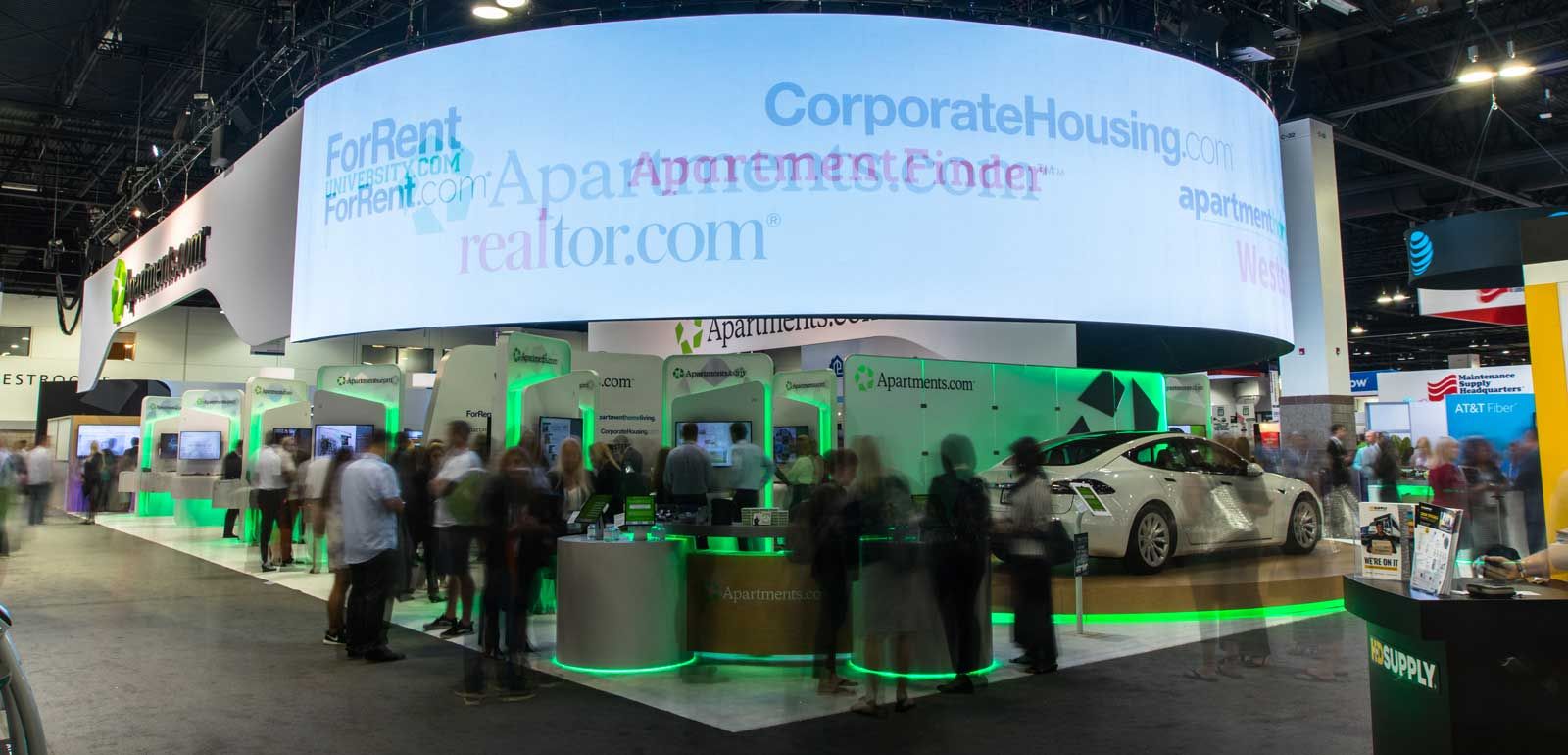
How To Use Video Wall Displays To Maximize Your Trade Show Impact

Create Stunning Visuals

With video wall displays, you can captivate the interest of attendees with an unparalleled level of visual impact, thanks to their advanced brightness and clarity. Compared to traditional displays, video walls today feature high-resolution screens that have no problems delivering vibrant colors and crisp images, helping your booth become a focal point in the busy trade show environment. With your compelling visual content, you can draw crowds from across the exhibit hall, enticing them to venture closer to have a look at your vivid and dynamic media content.

Enhance Brand Recognition

Video wall displays aren’t just about displaying your products and services. They are, in fact, potent tools to help enhance brand recognition through creative and spectacular visuals that draw attention to your branding. When utilized with a well-crafted strategy, your brand’s message and logo should become more powerfully imprinted in the minds of trade show attendees.

Display Dynamic Content

Cutting-edge video wall technology today allows you to showcase dynamic content, so you’re no longer limited to static posters or printed materials. Instead, LED video walls will enable you to display real-time updates and make changes to your visuals and messages as you please. This remarkable flexibility allows you to adapt to the trade show, ensuring that your displayed content stays relevant and engaging throughout the event.

Additionally, the ability to update content in real-time allows you to respond to your audience’s changing needs and interests. Whether you want to highlight a specific product feature, announce a special promotion on the day of the trade show, or share user-generated social media content, video walls provide the flexibility to pivot your messaging on the fly. This adaptability will help keep your booth buzzing with excitement and also demonstrates your brand’s commitment to delivering a tailored and engaging experience for each and every attendee.

Enhance Your Booth’s Layout

It’s essential to carefully consider the positioning and arrangement of your video wall displays. This is because you can use them strategically to create an immersive environment to captivate your booth visitors and guide them through your exhibit. Keep in mind that a well-designed layout will not only draw attention to your video walls but also ensure that they integrate and blend in well with your overall booth design, contributing to a cohesive experience.

Some businesses tend to position their video walls in high-traffic areas or near their booth entrances to create a strong first impression and draw attendees in. Also, remember to leave ample space all around your video walls for comfortable viewing and interaction so your visitors will be able to engage with your exhibits in a welcoming environment.

Stand Out From Your Competitors

Trade shows are busy environments full of businesses vying for the attention of attendees. With the help of video wall displays, you’ll be able to gain that competitive edge over other exhibitors.

While other businesses are still relying on traditional banners or printed brochures, your embracing of innovative video wall technology will help differentiate your business from your competitors. Video walls can demonstrate your commitment to staying at the forefront of technological advancements, and attendees will be naturally drawn to exhibits that showcase the latest and most impressive technologies. When you leverage the power of video walls, you’re effectively creating a buzz around your booth and generating curiosity.

Elevate Your Business With Cutting-Edge Video Wall Displays

When it comes to the fiercely competitive nature of trade shows, it’s crucial to step up your game and set your business apart from the sea of static exhibits. While your competitors are struggling to capture attention with outdated methods, let your booth become an immersive and interactive experience that leaves a lasting impression on attendees. This competitive edge not only increases foot traffic to your booth but also enhances brand recognition after the trade show concludes. Call GSE Audiovisual Inc. today to learn more about renting the latest video wall displays to boost the visibility of your trade show booth.

The Evolution of Video Walls in Trade Show Exhibitions

When it comes to trade show exhibitions, capturing the attention of attendees and effectively conveying brand messages is crucial. Among the various tools and technologies used by exhibitors, LED video walls have emerged as a powerful and transformative element. Let’s explore the evolution of video walls in trade show exhibitions, tracing their journey from the early days of adoption to the cutting-edge installations we see today.

Early Adoption of Video Walls

Video walls first appeared in trade show exhibitions during the late 1990s and early 2000s. Early adopters back then recognized the potential of these large, multi-screen displays to attract attention and create a lasting impression on attendees.

At first, exhibitors began incorporating video walls into their booth designs to showcase product demos, promotional videos, and brand content. The sheer size and novelty of these installations made them stand out on the crowded trade show floor, drawing curious visitors to the booths.

However, the initial adoption of video walls in trade show exhibitions had its limitations. The technology was still in its early stages, and the costs associated at that point were substantial. Additionally, extensive technical expertise was required just to set up and operate these systems, making it extremely challenging for many exhibitors to incorporate video walls into their displays.

Advancements in Video Wall TechnologyOver the years, significant advancements in display technology have made video walls more attractive and practical for use in trade show exhibitions.

Higher resolution: One of the most notable improvements has been the increase in display resolution. Modern video wall screens offer full HD (1920×1080 pixels) or even 4K (3840×2160 pixels) resolution, resulting in stunningly clear and detailed images. A higher resolution means exhibitors can showcase their content with exceptional visual quality, capturing the attention of attendees and effectively conveying their message.

Improved color accuracy and contrast: Advancements in display technology have also led to better color accuracy and contrast ratios. New video wall screens can display a wider range of colors with greater precision, ensuring that the content looks vibrant and true-to-life. Improved contrast ratios enable deeper blacks and brighter whites, enhancing the overall visual impact of the video wall.

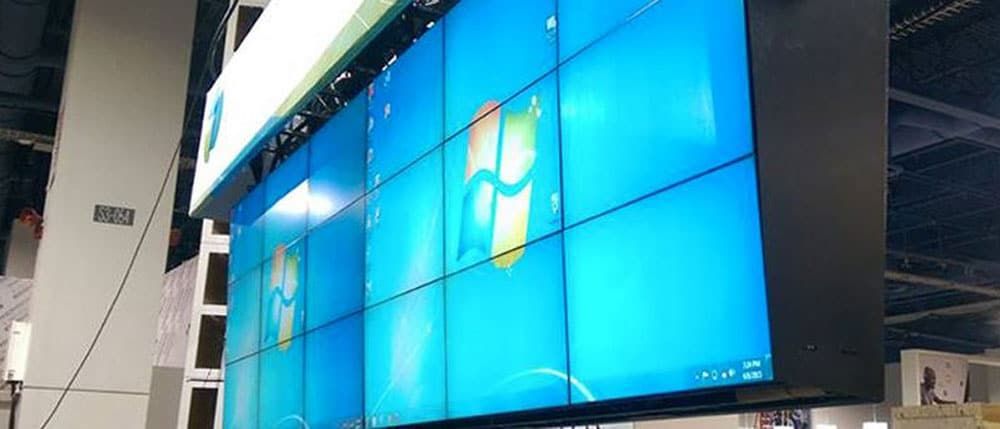
Thinner bezels: Thinner bezels create a more seamless and immersive viewing experience, as the gaps between the screens become less noticeable. With this advancement comes the creation of larger, more cohesive video walls that can captivate audiences.

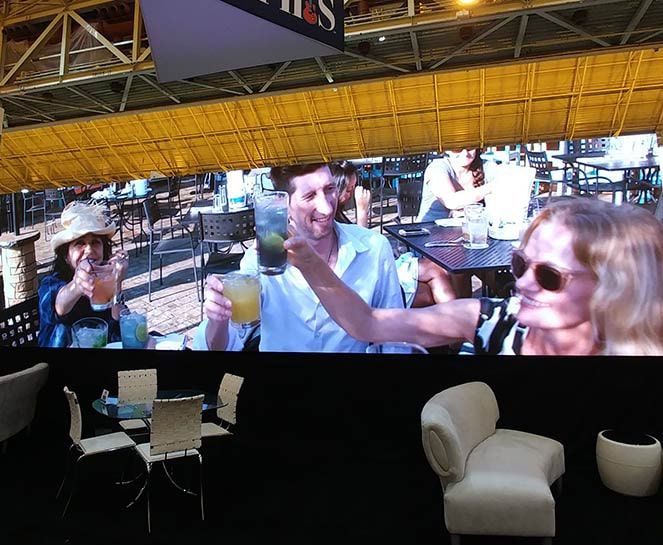
Introduction of LED technology: LED video walls provide superior brightness, making them ideal for use in well-lit trade show environments. They also offer wider viewing angles, ensuring that the content remains visible and vibrant from various positions within the exhibition hall.

Impact of Video Walls on Trade Show Exhibitions

Increased Visitor Engagement and Interaction

Video walls will take your exhibition up a notch by grabbing the attention of trade show attendees and getting them excited about what you have to offer. With video walls, you can create an experience that’s not just visually stunning but also incredibly interactive.

Imagine being able to reach out and touch the screen, using your fingers to explore products or navigate through information. Or imagine using gestures to control the content, as you swipe and point your way through the presentation.

It’s this level of interactivity that really sets video walls apart and makes them such a powerful tool for exhibitors. By getting attendees actively involved in the experience, you’re not just telling them about your brand – you’re letting them become a part of it.

Enhanced Brand Visibility

The sheer size and visual impact of video walls make them an excellent tool for enhancing brand visibility and awareness at trade shows. The sheer size and visual wow-factor of these screens allow exhibitors to really make their mark. You can use them to prominently display your logo, brand colors, and key messaging, creating a bold, attention-grabbing presence that sets you apart from the competition.

Improved Product Demonstrations and Presentations

Video walls have completely changed the game when it comes to showcasing products and services at trade shows. Gone are the days of boring, static displays – now, exhibitors can create demos that are not only visually incredible but also extremely informative. Imagine being able to see every little detail of a product, thanks to the crystal-clear, high-resolution screens. And with the ability to manage and customize content, the possibilities are endless!

Exhibitors can now use video walls to create presentations that are engaging on a whole new level. These days, the technology can be used to display detailed graphics that jump out at you, 3D renderings that make you feel like you can reach out and touch the product, and interactive elements that get attendees involved and excited.

Embrace The Power of Video Walls For Your Trade Show Exhibition

As more exhibitors adopt video wall technology, the overall trade show landscape inevitably becomes more visually dynamic and interactive. Video walls contribute to creating a sense of excitement and innovation, attracting more attendees and elevating the perceived value of the event. The increased engagement, enhanced brand visibility, improved product demonstrations, and creation of immersive experiences collectively contribute to the success and effectiveness of trade show exhibitions today. Call us today to learn more about renting and setting up video walls to make your trade show even more successful!

how soon should i contact av company

How Soon Before My Event Should I Contact GSE AV?

AV can often be confusing, especially if you are new to renting various types of equipment. You need to make sure you have the right equipment, and one important point to note is that you should contact GSE AV – your AV rental company in Orlando,  with enough time for your rental request to be fulfilled properly. 

How Soon Before My Event Should I Contact GSE AV?

When you’re considering how much time you should have before you contact AV Rental Company, first think about the size of your event. Realistically, the larger the event, the more time will be needed to plan for it. You’d need to set aside more time to give your AV rental company to get your equipment reserved and any equipment transfers completed.

This is because you will obviously need more equipment than if you were working on a smaller event. As a general rule of thumb, you can start planning and notifying GSE AV 3 to 8 months prior. It might take only 1 months to get everything together, but if you’re working on a huge annual event, you should try putting together your plans with 4 to 8 months of time.

All those months will involve planning and organizing your event, considering how much and what types of equipment you will need, what types of technology you might use, scheduling the labor requested and providing GSE AV with enough time to gather all of the resources you will need.

Most larger projects will take around 3 or 4 months. You may want to consider talking to our representative earlier than that to ensure that you get the right equipment for your event. If you have a smaller project, you might be able to get everything set up in around 1 or 2 months instead.

The Rental Process

You should already know the general needs of your event. Like knowing how many rooms you will have available for your attendees.  This will tell us roughly how many screens and projectors you might need, discuss how many microphones you have in mind, and what other core essentials you may want to make your event a success. To organize the process, try and make a list of your essentials prior to calling one of our sales advisers. As one of the premier AV rental companies in the country, you can rest assured that we have the latest technology in AV equipment and constantly ensure that our equipment is in the best condition. 

We try to make the process hassle-free for you. Leave it to us to plan out your AV equipment if you’re unsure, and we’ll even set up everything for you. Our trained Project Manager will be there with you to ensure that your show will run smoothly.

Conclusion

There’s a lot that goes into planning any event, and that includes planning for what type of AV equipment you will need and how much of it you will need. To give your event the best chance of running smoothly, ensure that you set aside enough time for your own planning and for us to organize everything for you. If you have any further questions, don’t hesitate to call us; your very own GSE Audio Visual Project manager will be more than happy to help.

GET A QUOTE