AV Rental Pricing Explained: A Complete Breakdown of Equipment, Labor & Delivery Costs
AV rental refers to hiring professional audiovisual equipment and services to support events of any size, from meetings to large-scale productions.
With the growing availability of reliable audiovisual equipment rentals, understanding how pricing works matters because AV costs are rarely flat or simple. Prices shift based on technical demands, logistics, staffing, and timing.
If you understand what drives those numbers, you can plan more confidently and avoid last-minute surprises. This guide breaks down every major cost component, so you clearly know what you are paying for and how to control it.
What Affects AV Rental Pricing? A High-Level View
AV rental pricing is built around three main pillars: equipment, labor, and delivery.
- Equipment covers everything used to produce sound, visuals, and lighting.
- Labor includes the professionals who install, operate, and remove that equipment.
- Delivery handles transportation, timing, and access logistics.
These elements work together, so changes in one often affect the others. Several variables further influence pricing. Event duration impacts how long equipment and staff are booked.
Venue complexity can increase setup time and staffing needs. Event type shapes technical expectations, whether it is a conference, private event, general session or trade show.
Timing also matters since weekends and holidays usually carry higher labor fees, especially in the rental industry, where market trends can shift quickly.
AV Equipment Costs: From Essentials to Specialized Tech
AV equipment pricing is influenced by several technical and logistical factors that shape both performance and cost. Knowing how they work and considering whether to rent or buy AV equipment helps you select the proper setup without overspending.
- Equipment category: Audio, video, and lighting each have distinct cost structures, with pricing driven by microphones and speakers, display type and size, or lighting fixtures and control systems.
- System scale: As audience size and venue dimensions increase, equipment must scale accordingly, raising costs through additional units and higher output requirements.
- Technical complexity: Digital and programmable systems cost more than analog options due to advanced hardware, software, and configuration needs, often requiring modern rental management software to track equipment usage efficiently.
- Integration requirements: Hybrid events and livestreams require switching, encoding, and signal management, increasing equipment, setup costs and bandwidth.
- Rental duration and vendor factors: Multi-day rentals, equipment quality, brand, and bundled services all affect pricing, with bundled audio-visual solutions often offering better overall value and aligning with competitive prices in the equipment rental industry.
Labor Charges: Setup, Operation & On-Site Support
Labor transforms equipment into a functioning event experience. Typical roles include technicians for setup and wiring, stagehands for physical movement, operators who manage audio or video during the event, and project managers who coordinate everything.
Rates vary by skill level, responsibility, and local market demand, with rental companies needing to factor in variable costs such as labor, fuel, parking and overhead. On-site technicians are necessary for complex systems, live events, or time-sensitive schedules.
Larger audiences and multi-room setups require additional staff to maintain reliability. Venue constraints also increase labor needs, especially when access is limited or schedules are tight.
Union venues and local labor laws can mandate minimum staffing and higher rates, making labor a fixed pricing and sometimes unavoidable cost when calculating rental rates and operating costs.
Delivery, Setup & Teardown: The Hidden Costs
Delivery costs depend heavily on location and accessibility. Urban venues may involve traffic delays, parking challenges, and long load in paths. Rural venues may require extended travel time.
Limited elevator access, stairs, or narrow corridors increase labor hours during setup and teardown, affecting transportation costs and driving up maintenance and repair costs for frequently used rental items. These factors are especially important when calculating equipment rental prices for events with complex logistics.
Timing also affects pricing. After-hours setup and late-night pickups trigger overtime charges. Delivery fees reflect fuel costs, rental unit size, and truck requirements, especially for large video or staging elements.
Storage costs or overnight holding fees apply when rented equipment stays on site between days. While self-pickup may reduce costs, it often comes with liability, limited support, and strict usage restrictions, considerations critical to any equipment rental business optimizing its cash flow and managing maintenance costs.
Package Deals vs. Custom Quotes: What’s More Cost-Effective?
Package Deals
Pre-built AV packages offer convenience and predictable pricing, making them suitable for standard events with simple technical needs. They bundle common rental equipment and basic services into a single rate, simplifying planning.
However, these packages may include unnecessary gear, increasing operating expenses without adding value if your event requirements differ. Cost-plus pricing or package deals may work well for some rental business models.
Custom Quotes
Custom quotes allow your AV setup to be tailored precisely to your event, venue, and technical goals. This approach helps eliminate unnecessary equipment and services while improving overall performance.
Reviewing detailed line items clarifies what is included, helping you avoid surprise charges related to labor, revisions, or overtime, and determine your break-even point on each piece of equipment.
Event Type and Its Impact on AV Costs
Event type directly influences AV requirements and pricing. Corporate events prioritize reliability, clarity, and seamless presentations. Gala dinners focus on atmosphere, music coverage, and visual impact.
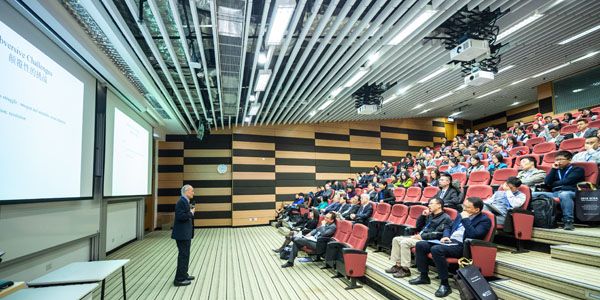
General Sessions demand powerful audio systems, advanced lighting, and larger crews. Trade shows require modular setups that adapt to booth layouts and schedules, often using specialized equipment for high-demand usage.
Audience size determines the scale of equipment and the need for redundancy. Larger crowds require more speakers,larger and brighter displays, and backup systems. Livestreamed events or regulated industries may need compliance-specific gear and fail-safe setups.
Understanding how your event type shapes technical demands helps you budget accurately and avoid over- or under-investing in equipment, whether for a one-off project or for growing an event rental business.
How to Optimize Your AV Rental Budget
Optimizing your AV rental operations starts with understanding how providers build quotes and where costs can quietly increase. Small planning decisions and clear questions can significantly reduce unnecessary spending.
- Provide complete event details. Sharing accurate timelines, venue specifications, and audience size helps vendors scope precisely and prevents inflated pricing based on uncertainty.
- Define essential versus optional elements. Separating must-have rental equipment and labor from enhancements keeps your budget focused on performance rather than extras.
- Review labor policies carefully. Understanding overtime rates, labor minimums, and setup windows prevents unexpected charges tied to scheduling or venue restrictions.
- Clarify support and contingency coverage. Asking what on-site support, backups, and troubleshooting are included ensures you are not paying extra for critical reliability, especially when dealing with longer rental periods.
- Analyze the quote inclusions line by line. Since AV quotes vary widely, knowing precisely what is included allows you to compare vendors accurately and avoid surprise costs later.
Whether you’re choosing a pricing method such as dynamic, tiered, or usage-based pricing, the key is a sound pricing strategy based on total cost, and a thorough analysis of competitor pricing.
Elevate Your Event with GSE Audio Visual
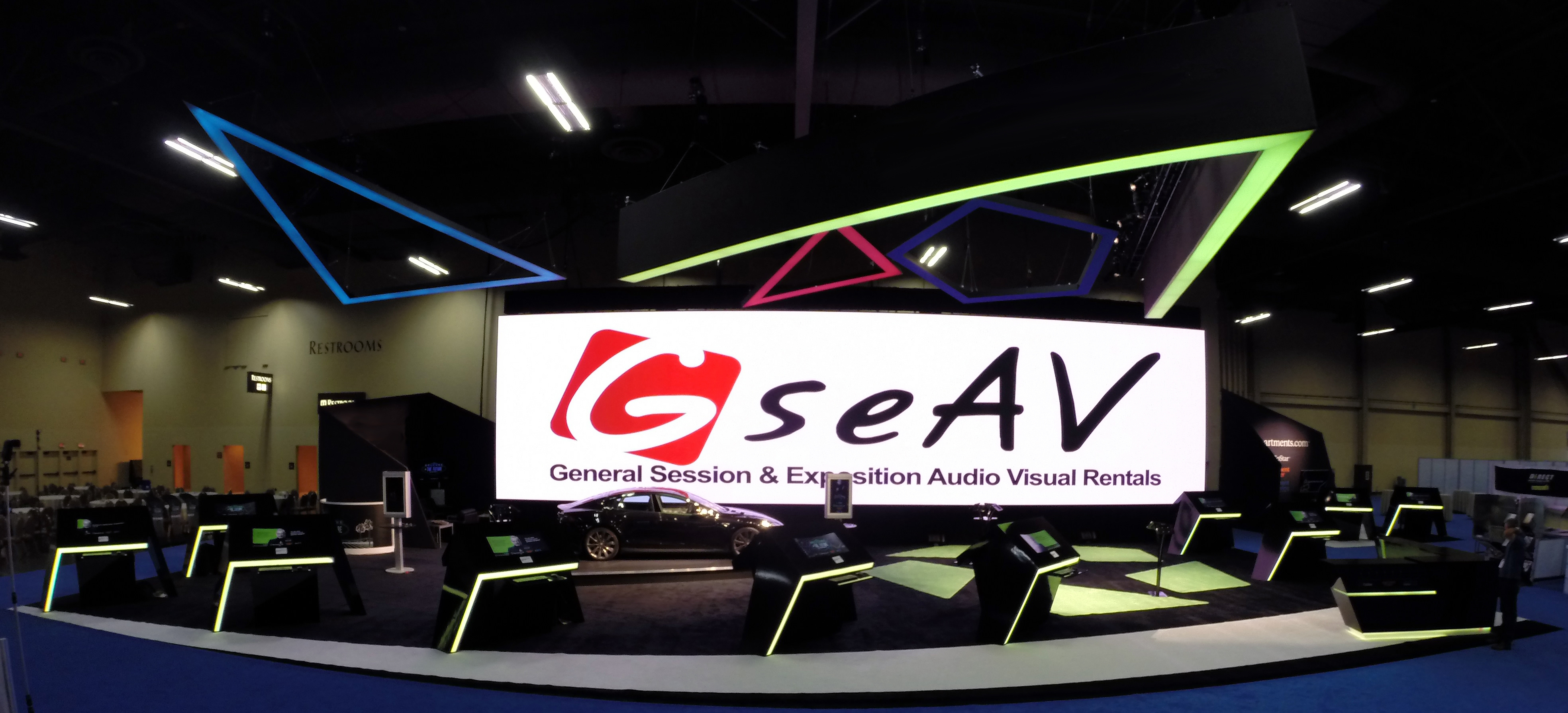
When you want transparent pricing, expert guidance, and flawless execution, GSE AV delivers clarity at every step. You get tailored solutions, experienced technicians, and equipment that performs exactly as promised. Connect with us today and turn your AV investment into a seamless, stress-free event experience.